Building a Streaming Career: Practical Advice From Real Experience
Honest guidance on growing a streaming career. Covers consistency, content strategy, community building, monetization, and avoiding common mistakes new streamers make.
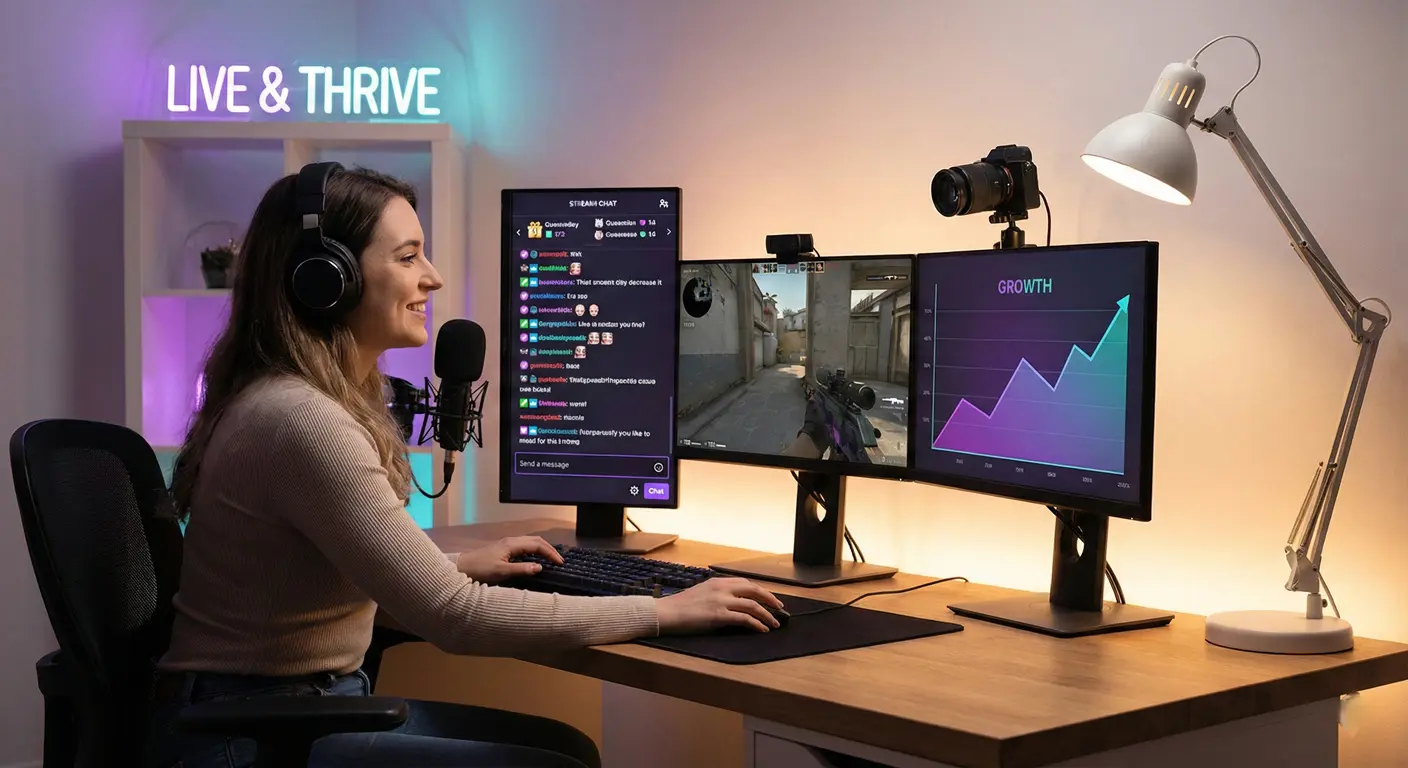
Let's be real: most streaming advice is generic motivation that doesn't help you actually grow. "Just be consistent!" Thanks, very helpful. I want to share the practical, specific lessons I've learned from years in the streaming space—the stuff that actually moves the needle.
This isn't about going viral or becoming the next big thing overnight. It's about building something sustainable, one stream at a time.
The Consistency Everyone Talks About (But Explains Poorly)
Yes, consistency matters. But not in the way most people think.
Schedule Consistency
Streaming at the same times builds audience habits. Your regulars know when to show up. But the schedule you can maintain beats the "optimal" schedule you can't.
- Start with what's sustainable: 3 streams per week you actually do beats 7 you burnout from
- Same days matter more than same duration: Tuesday/Thursday/Saturday at 7pm is easier to remember than random times
- Announce changes: If you need to skip, tell your community ahead of time
Content Consistency
What you stream matters for discoverability. Variety streaming is fun but hard to grow. Consider:
- A main game/category that defines your channel
- Designated variety days once you have a core audience
- Content that matches your personality naturally
The Discovery Problem
The hardest part of Twitch is getting discovered. The platform's algorithm favors already-large streamers. Here's how to work around that:
Off-Platform Presence
Your Twitch stream is your home base; other platforms bring people there.
- TikTok/Shorts/Reels: Clips that showcase your personality
- YouTube: Edited highlights, guides, or stream archives
- Twitter/X: Real-time engagement, going live announcements
- Discord: Your community hub between streams
Networking (The Real Kind)
Not spam raids and fake enthusiasm. Genuine connection with other creators:
- Hang out in similar-sized streamers' chats as a genuine viewer
- Collaborate on content when it makes sense for both parties
- Support others without expecting immediate reciprocation
- Join creator communities and discords in your niche
Community Building Fundamentals
Quality Over Quantity
10 engaged regulars who chat every stream beat 100 lurkers who never interact. Focus on depth of connection.
Remember Your Regulars
Greet returning viewers by name. Remember details they've shared. People come back when they feel seen.
Create Shared Language
Inside jokes, catchphrases, custom emotes—these create belonging. Your community should feel like a place, not just a chatroom.
Monetization Reality Check
Early Stage: Don't Focus on Money
Pre-Affiliate and early Affiliate, your job is building community, not making money. Pushing monetization too early drives people away.
Affiliate Stage
- Subscriptions become available—focus on making subs worth it (emotes help!)
- Don't guilt-trip for subs; create genuine value
- Bits and channel points add engagement layers
Partner Goal vs. Sustainable Income
Partner is a milestone but not a finish line. Many Partners don't make full-time income. Be realistic about streaming as income vs. side income vs. expensive hobby.
Common Mistakes I've Seen (And Made)
Mistake #1: Streaming in Oversaturated Categories
Fortnite, Minecraft, and Call of Duty have thousands of streamers. Starting there means zero visibility. Find your niche—smaller games, specific content types, unique formats.
Mistake #2: All Gaming, No Personality
People don't watch for gameplay alone—they watch for YOU playing. If viewers wanted pure gameplay, they'd watch YouTube. Your personality is your value.
Mistake #3: Comparing to Full-Time Streamers
Streamers with 10 hours daily and dedicated teams produce different content than you with a day job. Compare yourself to others at your stage.
Mistake #4: Neglecting Brand Basics
Good branding and quality emotes signal professionalism. First impressions matter even in streaming.
The Mental Health Thing
Streaming publicly to sometimes-empty rooms is hard. Burnout is real. Comparison is toxic. Some thoughts:
- Take breaks before you need them
- Viewer count is not your self-worth
- Set boundaries (no streams past midnight, days off, etc.)
- Have life outside streaming—it makes you more interesting on stream too
Technical Quality Matters
You don't need $5,000 equipment, but basic quality standards help:
- Audio: More important than video. Invest in a decent mic first.
- Lighting: Basic ring light or desk lamp beats natural light from behind
- Stream stability: Dropped frames and buffering lose viewers quickly
- Readable overlays: Not cluttered, not distracting from content
Final Thoughts
Building a streaming career is a long game. Most "overnight successes" you see had years of grinding behind them.
Focus on what you can control: consistency, quality, community care, and continuous improvement. The rest takes time—and some luck.
But know this: every streamer you admire started where you are. The difference is they kept going.
About the Author
StreamEmote Team
Written by the StreamEmote Team — developers and content creators dedicated to helping streamers succeed. We've processed hundreds of thousands of emotes and share our expertise to help you create the best content for your channel.
Learn more about us →Ready to Resize Your Emotes?
Use our free tool to create perfectly sized emotes for Twitch, Kick, and Discord. No watermarks, no uploads—your images never leave your device.
Try the Emote Resizer →Related Articles
Complete Twitch Emote Size Guide for 2026: Everything Streamers Need to Know
Master Twitch emote requirements with our comprehensive 2026 guide. Learn exact pixel dimensions (28x28, 56x56, 112x112), file formats, optimization tips, and common mistakes to avoid.
How to Create Animated Twitch Emotes: The Complete 2026 Guide
Learn to create smooth, engaging animated Twitch emotes that meet all requirements. Covers GIF optimization, frame rates, file size tricks, and recommended software.